California Dream For All Shared Appreciation Loan: Everything First-Time Homebuyers Need to Know in 2026
Chloe Dertinger | February 10, 2026
Buying

Chloe Dertinger | February 10, 2026
Buying
California has long been the land of big dreams, and high housing costs. For many first-time homebuyers, saving enough for a down payment can feel impossible. The California Dream For All (DFA) Shared Appreciation Loan Program is designed to change that by helping eligible buyers cover up to 20% of their home’s purchase price or closing costs. Updated for 2026, this program makes it easier than ever for first-generation, first-time buyers to step into homeownership while providing structured guidance for repayment.
In this comprehensive guide, we’ll break down everything you need to know about the California Dream For All Shared Appreciation Loan, including program highlights, eligibility requirements, shared appreciation examples, interest rates, homebuyer education, next steps, and tips to prepare for registration.
The California Dream For All Shared Appreciation Loan Program is a down payment assistance program for first-time homebuyers. It works alongside a conventional first mortgage and provides funding to cover down payment and/or closing costs. The program is structured as a shared appreciation loan, meaning that when the home is sold, transferred, or the first mortgage is paid off, the borrower repays the original loan plus a share of the appreciation in the home’s value.
This unique structure makes the program stand out from other down payment assistance options because it lowers the upfront financial burden for homebuyers while sharing future home appreciation with the state.
Key updates for 2026 include:
Voucher registration period: February 24 to March 16, 2026
Loan assistance: Up to 20% of the home price or closing costs, capped at $150,000
Randomized voucher selection: Registration is not first-come, first-served
Eligibility: Must be a first-generation, first-time homebuyer, current California resident, and meet county-specific CalHFA income limits
One of the biggest barriers to homeownership in California is the high down payment requirement, often 20% of the purchase price. The DFA program can cover that amount—up to $150,000—making it significantly easier for first-time buyers to enter the market without depleting their savings.
Putting down a larger payment often lowers your risk in the eyes of lenders. Even though the DFA program provides the down payment as a loan, pairing it with a conventional mortgage can sometimes help buyers qualify for better interest rates, lower monthly payments, and potentially save thousands over the life of the loan.
The program prioritizes first-generation homebuyers, helping families break into the housing market when traditional financing might otherwise be out of reach. This is particularly meaningful in California, where housing prices have consistently outpaced income growth.
CalHFA requires borrowers to complete the 1-hour California Dream For All education course, which teaches how shared appreciation works and how it affects repayment. This course, combined with traditional homebuyer education, ensures that buyers are financially prepared and understand their obligations.
While the DFA program offers clear advantages, there are also some potential disadvantages to consider:
The DFA loan is not free money. When you sell, transfer, or refinance your home, you repay:
The original loan amount
A percentage of the home’s appreciation
For example:
Home purchase price: $500,000
DFA loan (20%): $100,000
Home appreciates $100,000
Repayment = $100,000 (original loan) + $20,000 (20% of appreciation) = $120,000
Essentially, this is similar to paying a 20% interest on the borrowed down payment, though it is tied to property appreciation rather than a fixed interest rate.
For lower-income buyers, CalHFA offers a reduced shared appreciation:
Borrowers earning ≤80% of Area Median Income (AMI) may only repay 0.75 times the shared appreciation of the original loan.
Example: DFA loan = $100,000, property appreciation = $100,000 → repayment = $100,000 + $15,000 = $115,000
This adjustment can make a significant difference for buyers in lower-income brackets.
Even with the DFA loan, buyers must still qualify for a conventional first mortgage. This includes meeting minimum credit score, debt-to-income ratio, and income requirements. Some families may find these requirements restrictive.
Homes in California often sell quickly, with multiple offers. Using the DFA program can be less attractive to sellers because it’s considered effectively 100% financing, which may be riskier compared to a buyer with a traditional down payment. Buyers may find themselves competing for homes that have been on the market longer, which may limit options.
To qualify for the California Dream For All Shared Appreciation Loan, applicants must meet the following requirements:
First-time homebuyer: None of the borrowers have owned a home before
First-generation: At least one borrower must be a first-generation homebuyer
California resident: At least one borrower must currently live in California
Income limits: Household income must meet the CalHFA Income Limits for the county of purchase
Voucher registration: Applicants must register for a DFA voucher; selection is randomized
Certain documentation is required, including government-issued ID, proof of first-generation status (birth certificates or adoption records of parents), and any foster care documentation if applicable.
Here’s a snapshot of the key features of the DFA program for 2026:
Loan amount: Up to 20% of purchase price or closing costs, capped at $150,000
Voucher-based entry: Randomized lottery system
Repayment: Original loan + share of appreciation
Interest rate: Varies depending on lender and borrower; check with a CalHFA-approved lender for current rates
Education: Mandatory 1-hour online DFA course, plus standard homebuyer education
Talk to a CalHFA-Approved Lender: Start by finding a lender participating in the DFA program.
Obtain DFA Pre-Approval Letter: This is required to register for a voucher.
Take the DFA Homebuyer Education Course: Learn about shared appreciation and loan repayment. The course is free and online.
Prepare Documentation: Government ID, pre-approval letter, foster care or parent verification documents if needed.
Register for a Voucher: The registration window for 2026 is February 24 – March 16. Winners are chosen randomly.
To better understand how shared appreciation works, here are examples:
Example 1 – Moderate-Income Borrower:
Purchase price: $500,000
DFA loan: $100,000 (20%)
Home appreciation: $100,000
Repayment: $100,000 (loan) + $20,000 (20% of appreciation) = $120,000
Example 2 – Borrower ≤80% AMI:
Purchase price: $400,000
DFA loan: $80,000 (20%)
Home appreciation: $50,000
Repayment: $80,000 + $7,500 (15% of appreciation) = $87,500
These examples illustrate how the repayment amount can vary based on income and program adjustments.
The DFA loan itself has no traditional interest rate, but repayment is tied to shared appreciation. Your first mortgage interest rate will depend on your financial situation and lender. Rates can change daily, so it’s crucial to work with a CalHFA-approved lender for the most accurate quote.
CalHFA emphasizes homebuyer education and counseling to ensure first-time buyers are prepared. Requirements include:
8-hour standard homebuyer education course via eHome, NeighborWorks America, or a HUD-approved agency
Only one occupying first-time borrower must complete the education
This education helps buyers understand the mechanics of shared appreciation, budgeting, and long-term homeownership planning.
When registering for a voucher, you’ll need:
DFA Lender Pre-Approval Letter
Government-issued ID (passport, driver’s license, military ID, etc.)
Foster care documentation (if applicable)
Parent verification for first-generation status: birth certificates, adoption papers, proof of relationship
Organizing these documents ahead of time will make the application process smoother.
For visual learners, CalHFA provides a video walkthrough of the DFA program, including how to prepare for registration and what to expect during repayment. This can be a great way to familiarize yourself with the program before starting the application process.
The DFA Shared Appreciation Loan program is an incredible opportunity for first-time, first-generation homebuyers in California. It allows buyers to reduce upfront costs and gain access to the housing market that might otherwise be out of reach.
However, it’s important to weigh the benefits against the drawbacks:
Repayment includes shared appreciation
May limit your competitive edge in a multiple-offer market
Must meet conventional mortgage qualifications
Working closely with a CalHFA-approved lender and completing the required education ensures you fully understand the program and can make an informed decision.
The California Dream For All Shared Appreciation Loan is a tool to help first-generation homebuyers achieve homeownership in one of the most expensive real estate markets in the nation. By understanding the program details, eligibility requirements, shared appreciation repayment, and the education needed, buyers can take steps to secure a home without overwhelming upfront costs.
If you’re considering applying, start early. Organize your documents, connect with a CalHFA-approved lender, complete the online education course, and prepare to register for your voucher during the 2026 application window. With careful planning, the California Dream For All program could make your homeownership dreams a reality.
Please note: Connect California Homes is not a licensed mortgage broker. Seek professional advice for mortgage, tax, or financial decisions.
Stay up to date on the latest real estate trends.

Community
Chloe Dertinger | October 2, 2026
October has arrived in the East Bay, and while we may get our share of fake fall with warm days lingering, the spirit of the season is undeniably strong. Let’s dive in… Read more

Community
Chloe Dertinger | October 1, 2026
Volunteering is a meaningful way to make a difference in the fight against this devastating disease. Through volunteering, you become an essential part of a collective… Read more

Community
Chloe Dertinger | September 17, 2026
Fall is here and East Bay’s top pumpkin patches welcome visitors throughout the entire month of October in preparation for Halloween! Check out our favorites in this a… Read more

Community
Chloe Dertinger | September 8, 2026
Discover the best fall activities in the East Bay including pumpkin patches, Mount Diablo hikes, Livermore wine harvest events, and foliage spots for 2026.

Community
Chloe Dertinger | September 1, 2026
Discover the best East Bay events happening in September 2026! From the Downtown Pleasanton's Forkful to the Lafayette Art and Wine Festival, there's something for eve… Read more

Community
Chloe Dertinger | August 5, 2026
Transition into the school year with these practical tips to get your home ready for the back-to-school season!
Community
Chloe Dertinger | August 2, 2026
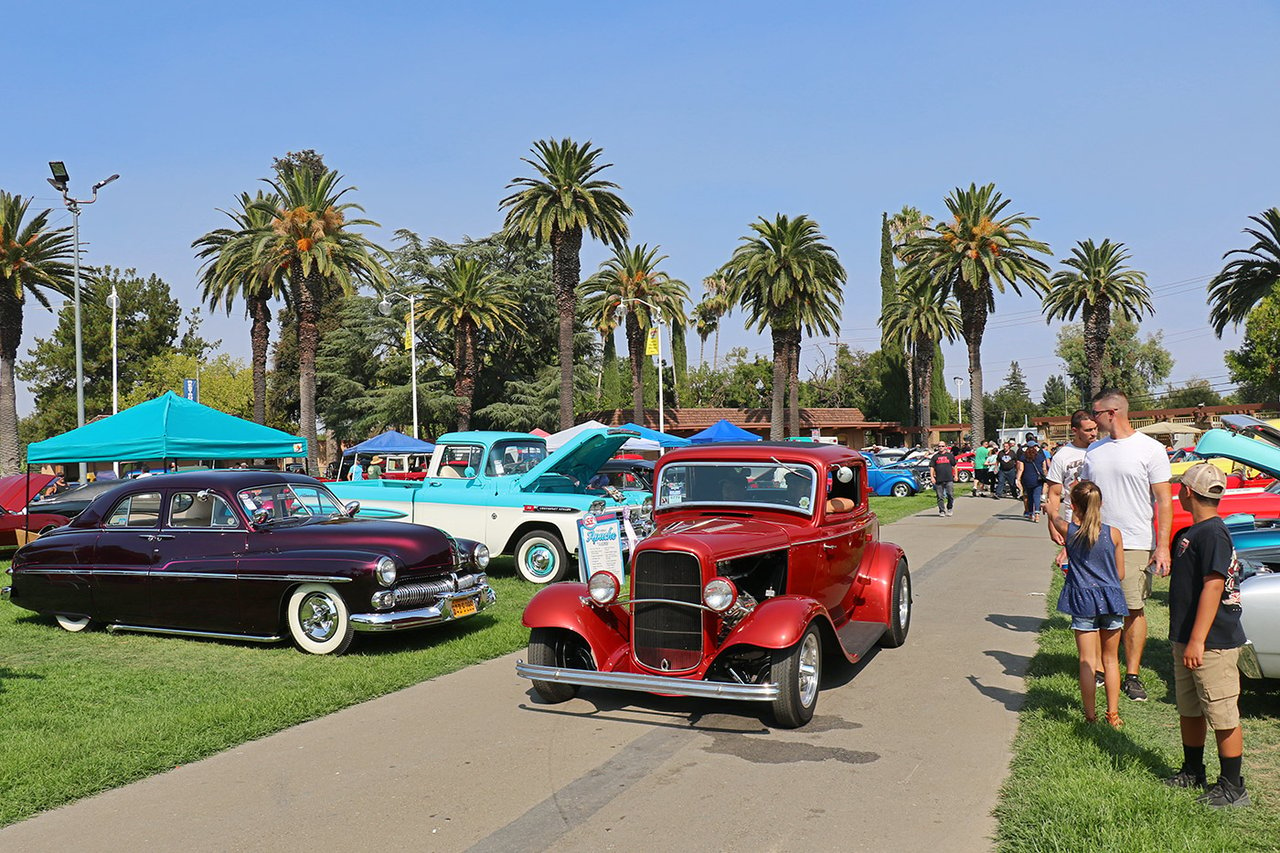
Discover August’s events in the Tri-Valley! From farmer’s markets and family nights to concerts, car shows, and food festivals, there's something for everyone in Pleas… Read more
Buying
Chloe Dertinger | July 30, 2026
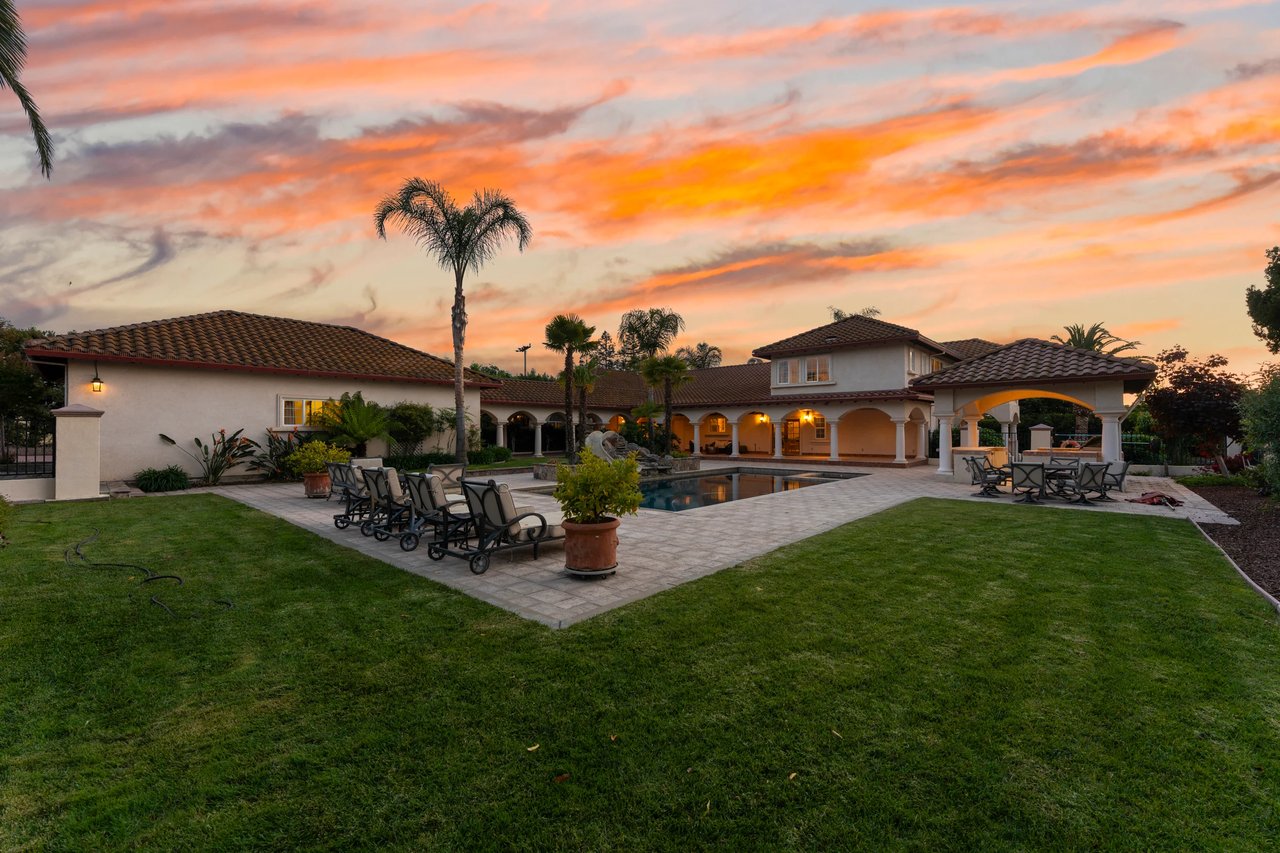
A buyer's guide to multigenerational property in the East Bay — from ADUs and in-law units to a rare Livermore estate with three homes already built in.

Community
Chloe Dertinger | July 20, 2026
Discover the top-rated yoga studios across Pleasanton, Livermore, Danville, Walnut Creek, and Concord. This guide breaks down the best studio in every East Bay city so… Read more
You’ve got questions and we can’t wait to answer them.